
How to Tell If Your Timber Frame Building Needs Oak Frame Restoration
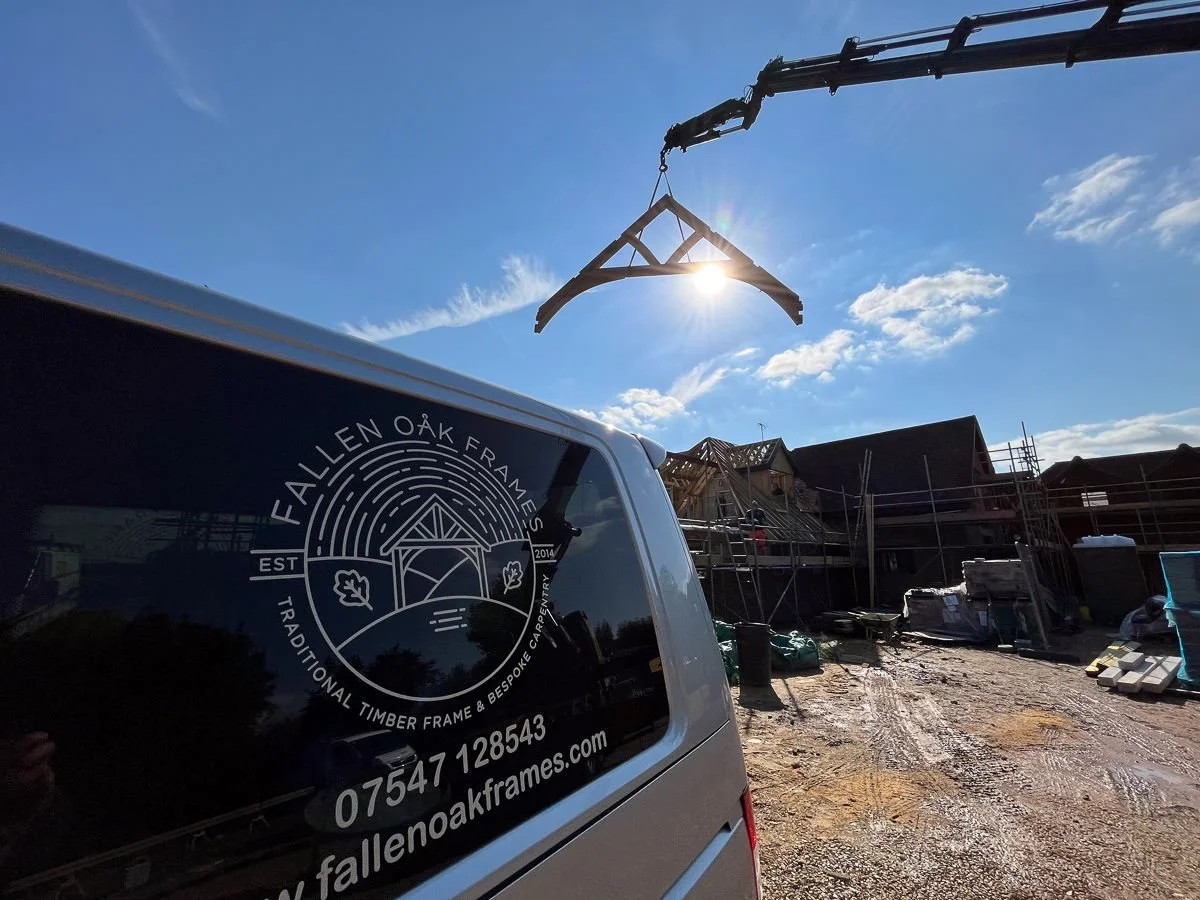
Timber-framed buildings are admired for their strength, craftsmanship, and timeless character. Whether your property is a centuries-old cottage, a listed building, a barn conversion, or a modern oak-framed home, regular maintenance is essential to preserve its structural integrity and appearance. Over time, exposure to weather, moisture, insects, and natural ageing can affect even the highest-quality oak.
Knowing when to seek oak frame restoration can prevent minor issues from becoming costly structural repairs. Professional restoration not only protects the building's heritage but also helps extend its lifespan for future generations. For those interested in the fundamentals of this craft, our green oak framing guide offers deeper insights into the material.
In this guide, we'll explain the common warning signs that indicate your timber frame building may need restoration, what the restoration process involves, and why working with experienced oak frame specialists is essential.
What Is Oak Frame Restoration?
Oak frame restoration is the process of repairing, conserving, and strengthening existing oak-framed structures while preserving as much of the original timber as possible.
Unlike complete replacement, restoration focuses on maintaining the building's historic character and craftsmanship through carefully planned repairs using traditional techniques alongside modern conservation methods.
Typical restoration work covers a comprehensive range of services, including replacing damaged oak members and repairing structural joints to ensure the building's stability. Specialists also focus on treating timber affected by decay, stabilising frames, and improving overall weather protection. By conserving original features alongside these essential repairs, the building remains safe, functional, and visually authentic.
Why Oak Frames Last for Centuries
Oak has been one of the preferred construction materials for hundreds of years because of its natural durability and exceptional strength.
Structural oak is highly valued for its excellent load-bearing capacity and natural resistance to decay, which contribute to its exceptionally long service life. Beyond its strength, oak features an attractive grain and character that allows it to weather beautifully over time. This makes it an ideal choice for everything from heritage restoration to fine oak garden frames.
Although oak is highly durable, no timber is completely immune to ageing or environmental conditions.
Common Signs Your Timber Frame Needs Restoration
Recognising early warning signs allows repairs to be carried out before significant damage develops.
Visible Cracks and Splits
Small surface cracks, known as shakes, are a natural characteristic of oak and are usually not a cause for concern.
However, large or expanding splits that affect structural members should be professionally assessed, particularly if they occur near joints or load-bearing beams.
Signs of Rot or Moisture Damage
Moisture is one of the most common causes of timber deterioration.
When monitoring for moisture damage, it is vital to watch for soft timber, dark staining, or persistent damp patches that may indicate a problem. Other warning signs include visible fungal growth and musty odours, both of which suggest that water ingress should be investigated promptly to prevent further deterioration.
Movement in the Structure
Timber naturally expands and contracts with seasonal changes, but excessive movement may indicate structural issues.
While timber naturally adjusts to the seasons, potential warning signs of excessive movement include doors or windows sticking, uneven floors, or leaning posts. Additionally, gaps between joints and visible distortion are clear indicators that a professional inspection is needed to determine if the behavior is normal or evidence of a structural problem.
Damaged Traditional Joints
Many oak-framed buildings use traditional mortise and tenon joints rather than metal fixings.
Over time, these joints can become loose due to wear, movement, or moisture.
Restoration specialists carefully inspect joints to determine whether repairs or partial replacements are necessary while preserving original craftsmanship.
Evidence of Insect Activity
Although seasoned oak is relatively resistant to many pests, timber-boring insects can occasionally affect vulnerable areas.
Evidence of insect activity can often be identified by small exit holes, fine wood dust known as frass, or sections of weak and hollow timber. If you notice these signs of localised damage, a professional assessment is necessary to identify active infestations and determine the appropriate treatment.
Weathering Is Normal—Structural Damage Is Not
Many homeowners worry when oak changes colour or develops surface cracks.
In reality, weathering is a natural process.
As oak ages, it develops an attractive silver-grey patina that enhances its appearance.
Normal ageing differs from structural deterioration.
Professional inspections distinguish cosmetic changes from repairs that genuinely require attention.
Why Professional Oak Frame Restoration Matters
Restoring an oak frame requires specialist knowledge of traditional timber framing techniques.
Attempting unsuitable repairs can lead to serious consequences, such as reducing the building's structural integrity or damaging its historic fabric. Furthermore, poor repairs can trap moisture and accelerate decay, ultimately affecting the property's value. This is especially relevant when considering projects like extensions, where understanding the oak-framed extension cost and requirements is key to a successful outcome.
Experienced oak frame craftsmen understand how original buildings were constructed and use compatible materials throughout the restoration process.
The Oak Frame Restoration Process
Every project is unique, but restoration typically follows several key stages.
1. Detailed Inspection
Specialists assess the condition of the entire frame, identifying structural concerns, moisture issues, and damaged components.
2. Repair Planning
A restoration strategy is developed that prioritises conservation wherever possible.
3. Timber Repairs
Damaged sections may be repaired using traditional jointing techniques or carefully matched replacement oak where necessary.
4. Structural Stabilisation
Loose joints and weakened members are strengthened while maintaining the building's original appearance.
5. Long-Term Protection
Once repairs are complete, recommendations are provided for ongoing maintenance and moisture management.
Preventative Maintenance Helps Avoid Major Repairs
Routine inspections and maintenance significantly reduce the likelihood of extensive restoration work.
Good maintenance practices involve checking roofs and gutters regularly and keeping drainage systems clear to manage moisture effectively. It is also important to monitor for signs of damp, inspect joints annually, remove vegetation growing against the frame, and ensure any leaks are repaired promptly to protect the timber.
Restoring Listed and Historic Buildings
Many oak-framed properties are listed or located within conservation areas.
Restoration work on these buildings may require additional permissions and should always respect historic construction methods.
Working with experienced specialists helps ensure repairs remain sympathetic to the original architecture while meeting relevant conservation requirements.
Why Choose Experienced Oak Frame Specialists?
Successful oak frame restoration depends on craftsmanship, technical knowledge, and attention to detail.
When selecting a partner for your project, look for a company that offers extensive experience with traditional oak framing and provides bespoke restoration solutions through skilled timber craftsmen. It is essential they use high-quality structural oak, perform sensitive repairs for heritage properties, and maintain clear communication throughout the project.
Conclusion
Recognising the early signs of deterioration is the first step in protecting your timber-framed property. From moisture damage and structural movement to worn joints and ageing timber, addressing issues promptly through professional oak frame restoration helps preserve your investment while maintaining the unique beauty of traditional oak construction.
At Fallen Oak Frames, we specialise in the restoration, repair, and conservation of traditional oak-framed buildings. Using time-honoured craftsmanship combined with modern expertise, we carefully restore timber structures while respecting their original character. Whether your property requires minor repairs or a complete restoration, our experienced team is here to help. Contact us today to arrange a consultation and discover how we can preserve your oak frame for generations to come.