
How Much Does an Oak Framed Extension Cost in the UK?
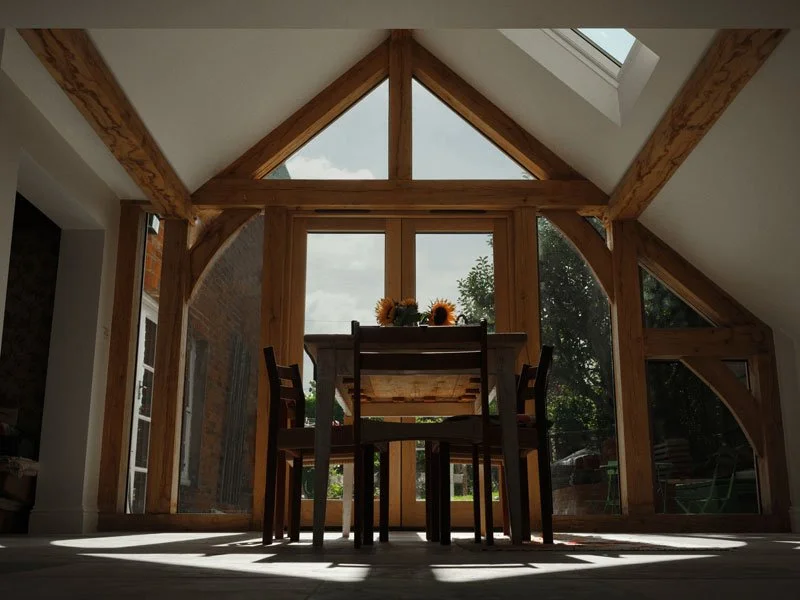
An oak framed extension can completely change the feel of a home. Whether it is a garden room filled with light, a traditional porch, or a two-storey oak wing, these structures bring warmth, character, and long-term value that standard extensions rarely match.
One of the first questions homeowners ask is simple: how much does it actually cost?
The honest answer depends on design, structural complexity, site access, glazing choices, and how the frame integrates with the existing property. A small oak porch and a large glazed garden room are entirely different projects with very different material and labour requirements.
What Affects the Cost of an Oak Framed Extension?
Several factors influence the final cost of an oak framed extension in the UK.
Size and Structural Complexity
Larger spans, additional bays, higher rooflines, and multi-storey designs naturally require more timber, more fabrication time, and more structural detailing.
A simple porch frame is considerably more straightforward than a two-storey extension with glazed elevations and rooms above.
Truss Design and Timber Layout
The type of truss plays a major role in both appearance and cost.
Common Oak Truss Options
Sling brace trusses
King post trusses
Decorative curved braces
Jowled posts and feature beams
King post trusses often create more dramatic internal spaces but usually involve larger timber sections and more detailed fabrication.
Glazing Choices and Their Impact on Budget
Glazing often becomes one of the biggest visual features of an oak extension, especially in garden rooms and open-plan living spaces.
Factors That Affect Glazing Costs
Amount of glass used
Sliding or bifold doors
Roof glazing and rooflights
Glass specification and performance
Opening windows and ventilation details
At Fallen Oak Frames, direct glazing with capping board systems allows the oak frame to move naturally without placing stress on the glazing units over time.
Homeowners exploring modern glazed extensions can learn more about bespoke oak framed building design and fabrication options.
Roof Design and Site Access
Simple roof structures generally reduce fabrication and installation costs, while more complex roof forms increase labour and crane time.
Roof Features That Add Complexity
Hipped roofs
Feature overhangs
Rooflights
Complex junctions
Multiple pitches
Access also matters more than many homeowners realise.
Narrow driveways, rural lanes, overhead cables, or difficult crane positioning can all affect installation logistics and on-site labour requirements.
Typical Oak Framed Extension Costs in the UK
Every project is bespoke, but realistic guide ranges help homeowners understand what different types of oak structures usually involve.
Small Oak Porch
A traditional oak porch frame often starts from around £8,000 to £20,000 depending on:
Size
Roof structure
Carved detailing
Integration with masonry
Bespoke joinery features
Single-Storey Garden Room
Many oak framed garden rooms fall between £35,000 and £85,000 for the oak frame package and associated framing works.
Projects with larger spans, high glazing ratios, or feature trusses may exceed £100,000 depending on complexity.
Two-Storey Oak Extensions
A larger two-storey oak framed extension or wing commonly ranges between £120,000 and £250,000 for the frame package.
This usually depends on:
Structural span
Glazing complexity
Roof geometry
Stair openings
Access conditions
Listed property requirements
These figures generally relate to the oak frame design, manufacture, and erection rather than complete turnkey construction.
Why In-House Fabrication Matters
The way an oak frame is manufactured has a major impact on both quality and installation efficiency.
At Fallen Oak Frames, timber is selected, cut, jointed, and pre-assembled in-house before arriving on site.
Benefits of Workshop Pre-Assembly
Better quality control
More accurate joinery
Reduced site delays
Faster erection times
Improved structural fitment
Traditional mortise and tenon joints, timber pegs, and carefully detailed connections help oak frames remain durable for generations.
Oak Frames for Listed and Period Properties
Oak framed extensions are often chosen for listed homes and historic buildings because they complement traditional architecture naturally.
However, these projects typically involve additional planning considerations.
Common Listed Building Considerations
Conservation officer approvals
Minimal intervention design
Sympathetic material choices
Structural integration with older buildings
Heritage-sensitive detailing
Homeowners working with older buildings can also explore oak frame restoration services for heritage and conservation projects.
Installation Timelines and Lead Times
Most domestic oak frames are erected relatively quickly once the groundwork is complete.
Typical Timeline Overview
Design and approvals: several weeks
Workshop fabrication: several additional weeks
On-site erection: often one to three days
Pre-assembly in the workshop helps reduce unexpected site adjustments and keeps installation programmes more predictable.
For homeowners and architects planning projects nearby, oak frame services in Surrey outline regional design and installation support.
Budgeting Tips Before Starting an Oak Frame Project
Making a few key decisions early can help keep costs under control without compromising the finished result.
Helpful Ways to Manage Budget
Keep roof geometry relatively simple
Define glazing ratios early
Plan crane access in advance
Finalise foundation levels before fabrication
Choose decorative detailing selectively
A well-designed oak extension does not need unnecessary complexity to feel impressive.
FAQ
How much does an oak framed extension cost in the UK?
Small oak porches may start around £8,000, while single-storey garden rooms often range between £35,000 and £85,000. Larger two-storey extensions commonly exceed £120,000 depending on complexity.
Is £50k enough for an oak framed extension?
In many cases, £50,000 can cover a modest oak frame garden room package with straightforward design and access conditions. Full build costs will usually be higher once glazing, foundations, and services are included.
How long do oak framed buildings last?
Well-built oak framed structures can last for centuries when detailed correctly and maintained properly.
Do oak framed extensions need planning permission?
Some projects may fall under permitted development, but listed buildings, conservation areas, and larger extensions often require planning approval.
How long does installation take?
Once groundwork is complete, many domestic oak frames are erected within one to three days.
Planning an Oak Framed Extension the Right Way
Oak framed extensions combine craftsmanship, structure, and architectural character in a way few other building methods can achieve. The final cost depends on the choices made around trusses, glazing, roof design, access, and detailing, which is why accurate surveys and tailored quotations matter.
At Fallen Oak Frames, every project is designed around the property itself, with traditional joinery, British craftsmanship, and careful in-house fabrication helping homeowners create oak structures built to last for generations.
If you are considering a porch, garden room, or larger oak extension, a consultation and site survey are the best place to start. Contact us today.