
The Specialist’s Guide to Traditional Oak Frame Restoration
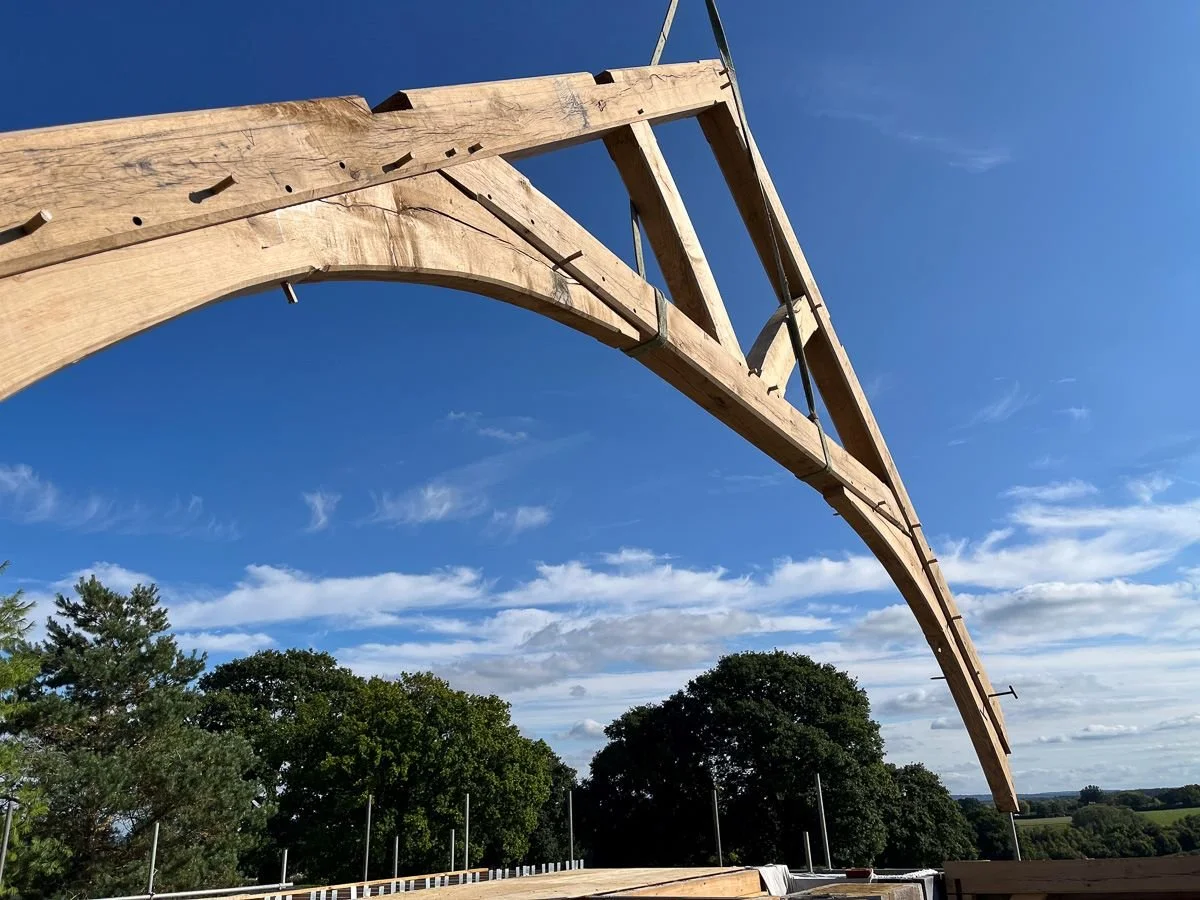
For those who have recently acquired a period property or are considering a heritage-style build, the structural language of timber can often feel like a relic of the past. At Fallen Oak Frames, we view these structures through the lens of a "living" history. Our team possesses over 30 years of combined experience, rooted in a lineage of traditional carpentry. Whether we are discussing a new project or an oak frame restoration, our approach is dictated by the time-honoured principles of medieval craftsmen, ensuring every joint and beam is both functionally sound and aesthetically sympathetic.
The Specialist Process of Oak Frame Restoration for Heritage Assets
When approaching an oak frame restoration, the primary objective is to maintain the architectural integrity of the original structure while ensuring it meets modern safety standards. Many of the properties we work on are Grade II listed, requiring us to collaborate closely with conservation officers and heritage consultants. We often utilise advanced LiDAR scanning to create millimetre-accurate 3D maps of a building. This technology allows us to identify structurally compromised areas and "point clouds" that guide our repair schedules. This level of precision ensures that our intervention honours the building's historic value.
What are the Benefits of Using Green Oak Frames in Construction?
From a specialist’s perspective, green oak is the standard for structural framing however, air dry (or seasoned) oak is often required depending on the specific application. . "Green" refers to the high moisture content of the timber, which provides a unique flexibility during the initial build. This pliability allows an oak frame carpenter to cut and fit complex joints, such as the traditional mortise and tenon, with extreme accuracy. The true benefit manifests as the timber seasons in situ; as the wood naturally dries and shrinks, it tightens around the seasoned oak pegs, creating a self-strengthening bond. Furthermore, green oak is an exceptionally ecological choice; it is carbon neutral, sustainable, and requires minimal industrial processing.
How Long Does Green Oak Framing Last Compared to Treated Timber?
The lifespan of a building is the ultimate measure of its quality. Standard treated softwoods are often reliant on chemical preservatives to stave off decay, yet they rarely possess the endurance required for a legacy structure. In contrast, a green oak frame is built for the centuries. Thanks to its high density and natural tannin content, oak is inherently resistant to moisture, rot, and pests. While a treated timber frame may face significant degradation within a few decades, a properly maintained oak frame can easily surpass 200 to 500 years of service.
Integrating Modern Requirements with Traditional Carpentry
A common hurdle for those new to timber framing is the integration of modern living requirements into an ancient structural form. At Fallen Oak Frames, we bridge the gap between architects and planning consultants. We specialise in bespoke decorative internal carpentry and major structural works that remain true to traditional methods. By using hand-selected timbers matched by eye, we ensure that new additions or oak frame restoration works harmonise perfectly with the existing superstructure, providing a seamless transition between the old and the new.
Environmental Commitment and Sustainable Craftsmanship
Our dedication to quality is matched only by our commitment to the environment. We strive for a minimal carbon footprint by utilising locally sourced oak and timber from responsibly managed woodlands wherever possible. Because oak is a natural material, the process involves zero toxic by-products. Even our offcuts are repurposed into the pegs and braces that hold our frames together. This holistic approach to construction ensures that your home is not only a sanctuary for your family but also a positive contribution to the local landscape.
Why Quality and Detail Matter in Timber Framing
To the untrained eye, a beam is simply a piece of wood. To a specialist at Fallen Oak Frames, it is a structural component with a specific grain, moisture profile, and history. We maintain a friendly, "open book" approach with our clients, and our workshop is always open for you to witness the framing process first-hand. Investing in a handmade oak frame or a meticulous restoration adds significant value to a property, often between 5% and 15%, but more importantly, it provides the peace of mind that comes with unmatched, consistent quality.